Mercosur-EU Agreement Comes into Force and Expands Opportunities in International Trade
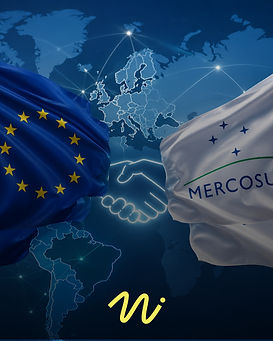
EU-Mercosur Agreement Comes into Force in May and Opens a New Phase for Small and Medium-Sized Businesses in International Trade
The free trade agreement between Mercosur and the European Union comes into force in May after more than two decades of negotiations and is set to redefine the trade dynamics between two of the world’s largest economic blocs. The partnership includes Brazil, Argentina, Paraguay, and Uruguay, along with the 27 European Union member states, forming a market of approximately 718 million consumers and a combined GDP exceeding US$22 trillion.
With the agreement taking effect, a gradual process of reducing and eliminating import tariffs begins. The European Union is expected to eliminate tariffs on up to 95% of products originating from Mercosur within a period of up to 12 years, while the South American countries will remove tariffs on approximately 91% of European goods within up to 15 years. In the first phase alone, thousands of Brazilian products will gain access to reduced or zero tariffs, especially in the industrial, agricultural, and raw materials sectors.
Small and medium-sized enterprises (SMEs) play a central role in the agreement, not only because of their expansion potential but also due to measures aimed at facilitating access to information and reducing operational barriers. The goal is to increase the participation of these businesses in international trade, which has historically been concentrated among large corporations, making the export process more transparent and accessible.
Sectors such as machinery and equipment, food products, metallurgy, chemicals, and industrial goods are expected to experience the first positive impacts. The reduction in entry costs into the European market is expected to increase the competitiveness of Brazilian products, strengthening the country’s presence in one of the most demanding markets in the world.
Despite the opportunities, experts point out that the new landscape also requires companies to pay close attention to technical requirements, rules of origin, and regulatory compliance. Strategic adaptation will be essential for small and medium-sized exporters to fully benefit from the new scenario.
Comments