Mercosur-Egypt Agreement Enters Final Phase, Expanding Opportunities for Importers and Exporters
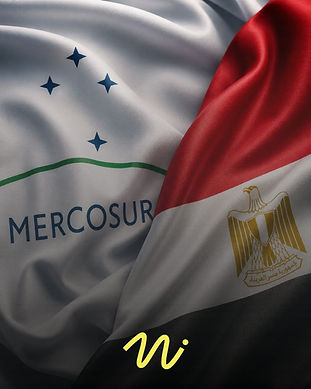
The Free Trade Agreement between Mercosur and the Arab Republic of Egypt will enter its final stage of tariff elimination on September 1, 2026. In force since September 2017, the agreement established a gradual schedule for reducing import duties on thousands of products traded between the parties. Now, ten years after the process began, the tariff lines covered by the final stage of the schedule will reach 100% tariff preference, completing the reduction process established for approximately 9,800 negotiated tariff lines.
For Brazilian imports, this development represents an opportunity to expand and diversify the sourcing of Egyptian products at a lower tax cost. Egypt already has a presence in relevant sectors of Brazil’s import portfolio, particularly as a supplier of fertilizers and other agricultural inputs, as well as products such as olives, garlic, and citrus fruits. With the completion of the tariff reduction schedule, products originating in Egypt and included in the agreement’s concession lists may benefit from reduced or eliminated import duties, provided they comply with the applicable rules of origin and other requirements established under the agreement. This expands sourcing opportunities and creates new alternatives for Brazilian companies seeking to diversify their suppliers and countries of origin.
Conversely, the agreement also strengthens opportunities for Brazilian exports to Egypt. The country is an important market for Brazilian agribusiness products, particularly corn, sugar, beef, iron ore, and soybeans. In addition to these established products, there is potential to expand Brazil’s presence in sectors such as beans and pulses, tobacco, poultry, coffee, dairy products, fruits, spices, machinery, and equipment. In recent years, Brazil has also expanded market access for new products in Egypt, including, in 2025, authorization for the export of duck and other poultry meat, as well as rabbit meat. The reduction of tariffs in the destination market may therefore help enhance the competitiveness of Brazilian products compared with suppliers from other countries.
The key point of the final stage beginning in September is that tariff elimination works in both directions. Therefore, products originating in Egypt and included in Mercosur’s tariff offer may have their import duties in Brazil reduced to zero, while products originating in Brazil and included in Egypt’s tariff offer will also benefit from a reduction or elimination of import duties in Egypt. According to Siscomex, Brazil granted Egypt a 100% tariff preference for 10,166 NCM codes, equivalent to approximately 99% of the negotiated tariff lines. Egypt, in turn, granted Mercosur a 100% tariff preference for 5,259 tariff codes, in addition to seven codes with a 30% preference and two products subject to tariff quotas.
The conclusion of the tariff reduction schedule, therefore, does not mean that all products traded between Brazil and Egypt will automatically be subject to zero tariffs. The benefit depends on the tariff classification and the specific treatment negotiated for each product. The agreement established different tariff reduction categories: while some products had their tariffs eliminated immediately, others underwent reductions over four, eight, or ten annual stages. Category D, which covers products subject to the final stage of the regular schedule, gradually received increased tariff preferences and now reaches full tariff elimination. There are also products subject to specific treatment, codes benefiting from partial tariff preferences, and products subject to tariff quotas. To benefit from the preferential tariff, the goods must also comply with the agreement’s rules of origin and meet the required documentary requirements, including the Certificate of Origin.
For companies engaged in international trade, September 2026 marks a new stage in the relationship between Mercosur and Egypt. The completion of the tariff reduction schedule expands business opportunities for importers and exporters, with potential for lower costs and greater competitiveness in transactions between the two markets.
Prinie connects companies and markets, supporting your business in finding international suppliers and buyers and identifying new business opportunities. Get in touch and discover how we can support your operations in Brazil and abroad.

Comments